
Build for the long term.
ICF can be a compelling option when strength, comfort, durability and long-term energy performance are priorities.
Tell Us Your Idea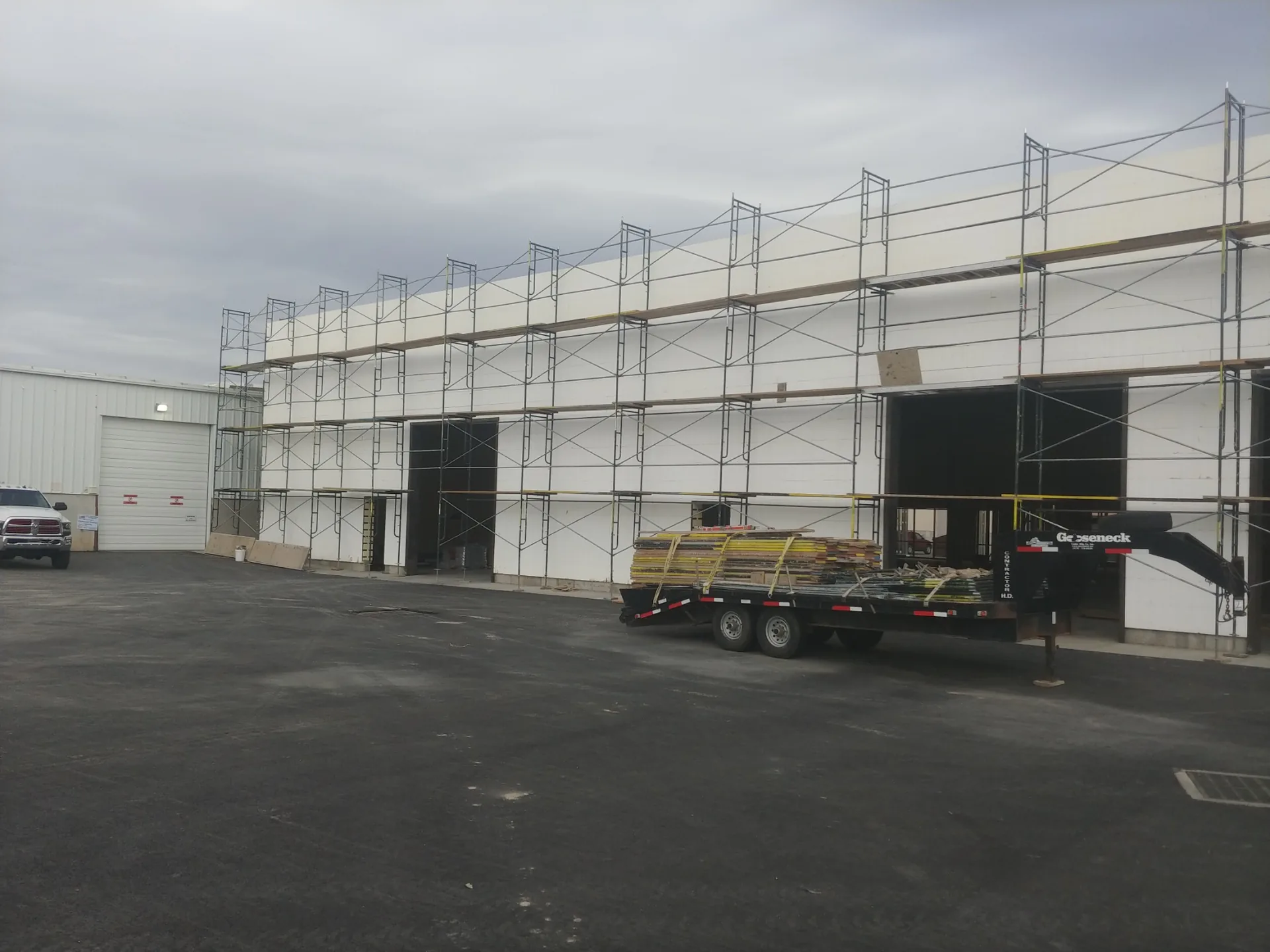
Think beyond the next few years.
ICF construction combines concrete structure with continuous insulation. Dunn-Right brings hands-on ICF experience to the conversation, from wall layout and reinforcing to openings, bracing and integration with the rest of the building.
A forever-home mindset.
If you're considering ICF, talk to us early. The best system depends on the project, site, design and priorities.
Talk to Us About ICFBuilt, not borrowed.
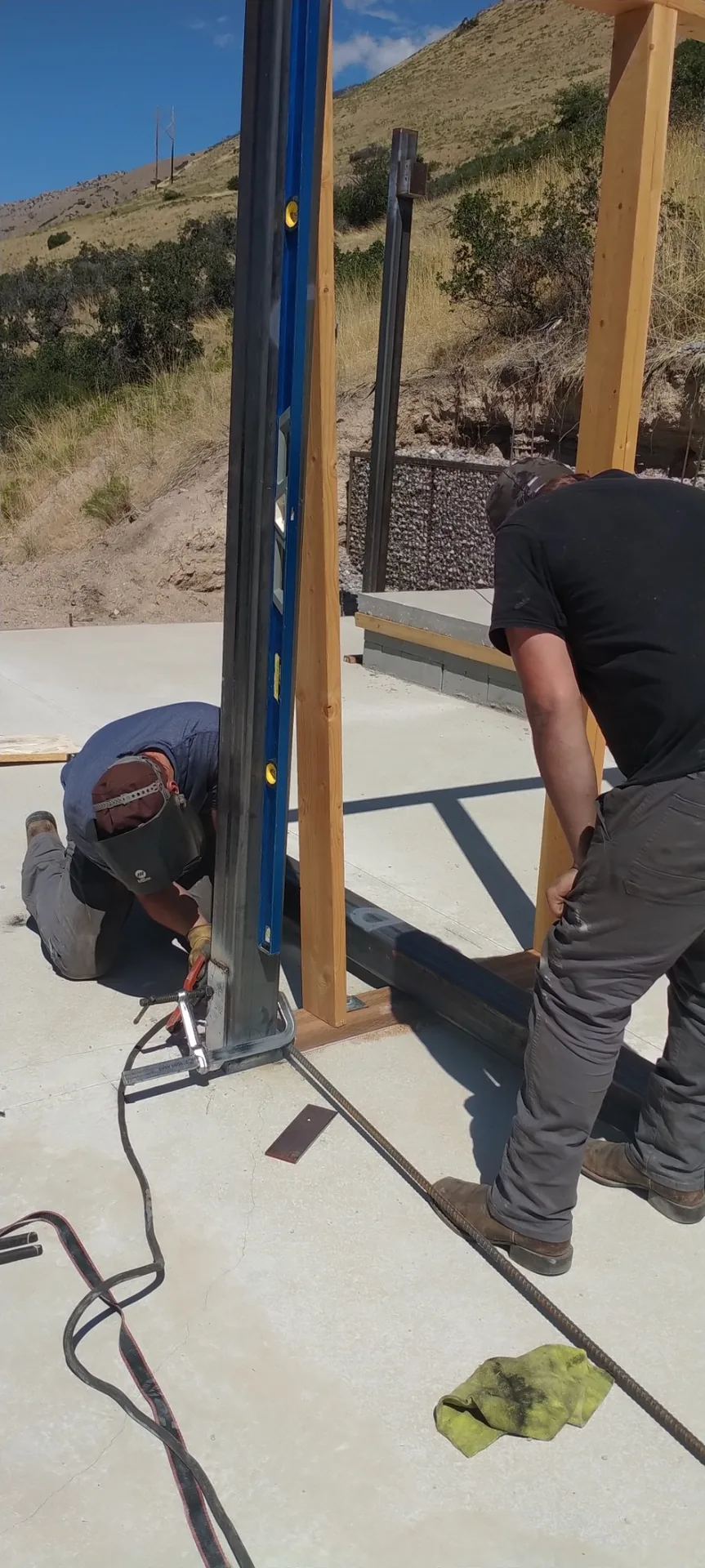
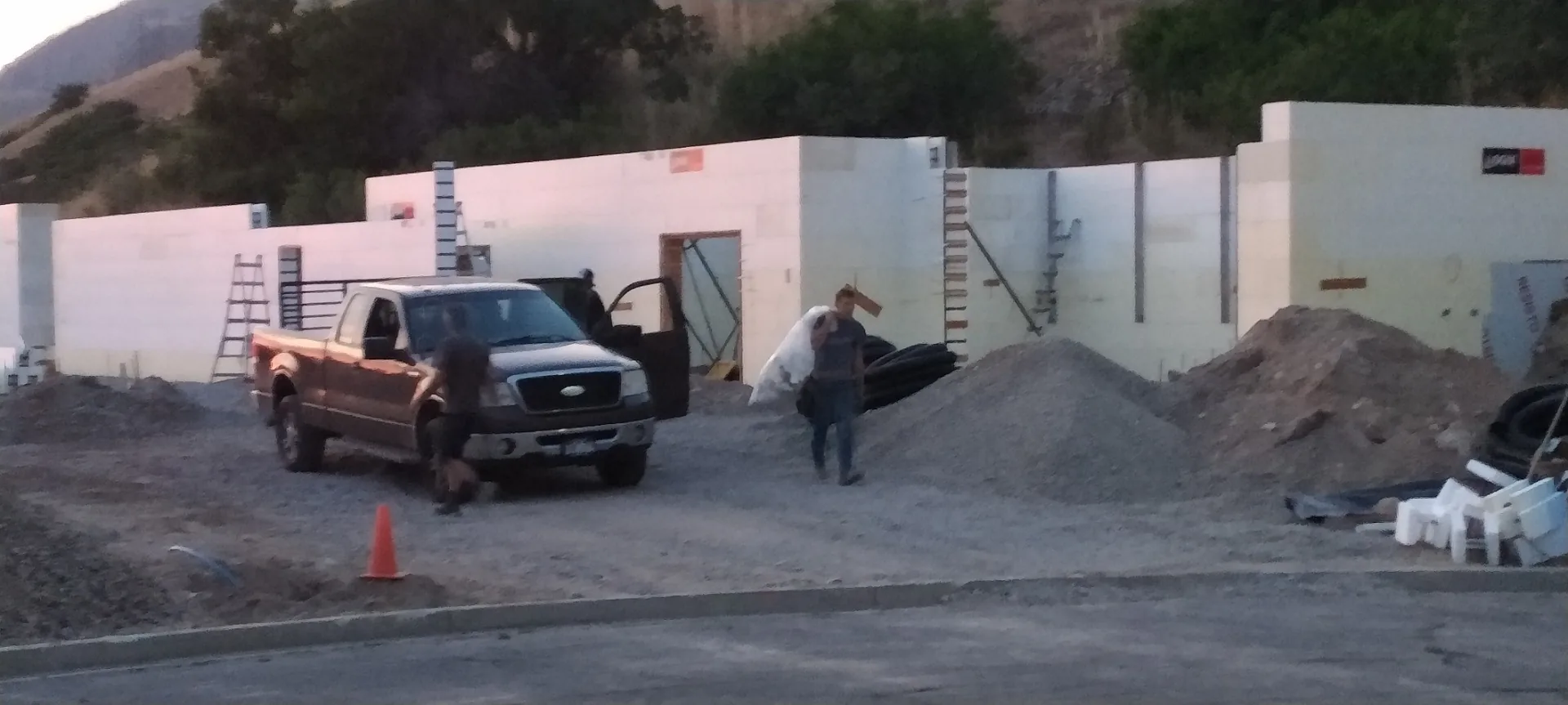
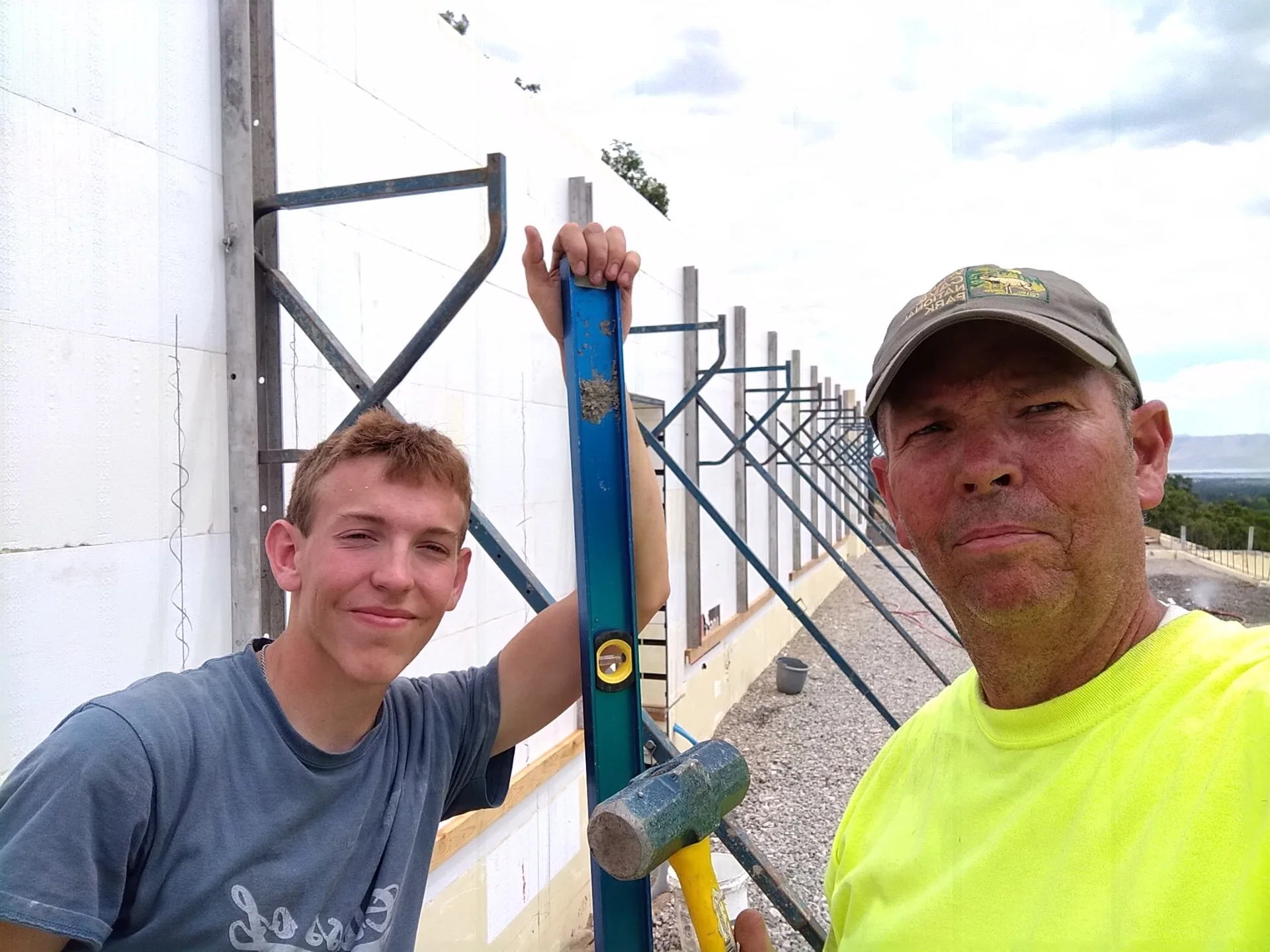
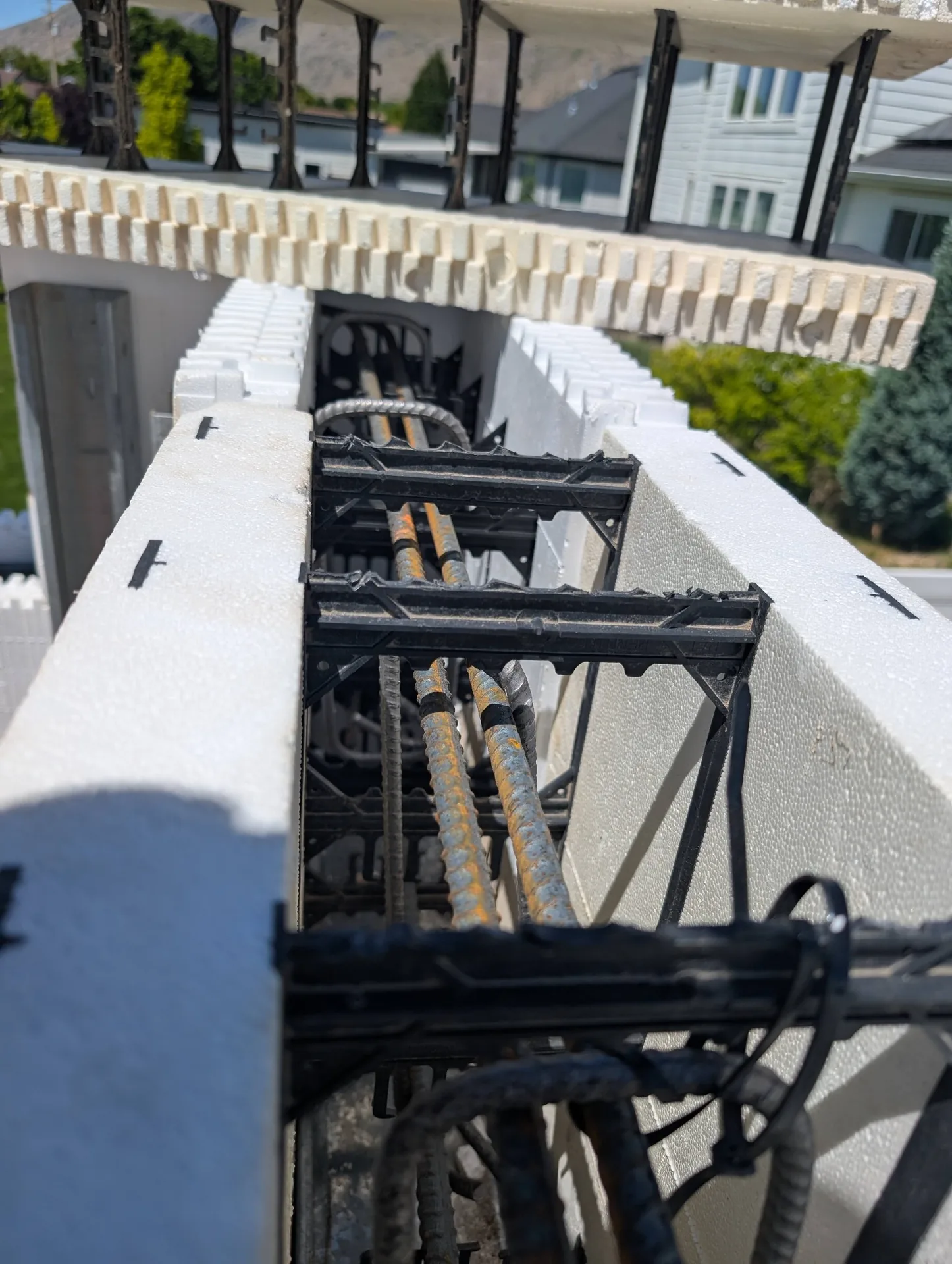
These are Dunn-Right project photos from real work.
Questions are a good place to start.
You don’t need all the answers before you call us.
What is ICF?
ICF stands for Insulated Concrete Forms.
The forms are assembled to create the walls, reinforcing steel is installed as required, and concrete is placed inside the forms. The forms remain in place and become part of the finished wall system, providing insulation on both sides of the concrete.
The result is a strong, insulated concrete wall that can be used for basements, homes, and commercial buildings.
Is an ICF home more expensive than a wood-framed home?
It can cost more initially, but the initial construction price isn’t the only thing we think should be considered.
A building may be used for decades. Energy costs, comfort, durability, maintenance, sound, and the expected life of the building all matter.
We like to help owners look at both the cost to build the building and the cost to own the building.
How strong is an ICF home?
At its core, an ICF wall is a reinforced concrete wall.
The actual strength of any building depends on its engineering, reinforcing, connections, foundations, openings, roof system, and construction. We don’t like making exaggerated claims about what a building can withstand.
What we can say is that properly designed reinforced concrete gives us an extremely durable structural system to work with.
Can I put normal finishes on an ICF home?
Yes. ICF buildings can be designed to accommodate many of the interior and exterior finishes people expect in a conventional home.
The important thing is planning those details correctly rather than waiting until the wall is built to decide how everything will attach.
Is ICF environmentally friendly?
There are several things to consider.
Concrete has environmental impacts, so we don’t think it is accurate to call something sustainable simply because it is ICF. But sustainability also includes energy use, durability, maintenance, building life, and how well the building performs over many years.
I don’t know if ICF is right for me. Can I still call you?
Absolutely.
You don’t need to decide that you want an ICF building before talking to us. Tell us what you are trying to accomplish. We can talk about the advantages, disadvantages, costs, construction issues, and alternatives.
Our job isn’t to talk you into ICF. It’s to help you determine whether it makes sense for your project.
Have an idea?
It doesn't need to be fully designed before we talk.